Get a quote

Get a quote from NGL today. With clear and transparent pricing, there's no nasty surprises.

Strategies for reducing and preventing customer returns from your online store

How to Reduce and Prevent Returns from Your Online Store

Running an online store comes with its perks, flexibility, scalability, and the ability to reach customers globally. But one challenge that every ecommerce business faces is handling product returns.

Returns can eat into your profits, create logistical challenges, and even damage customer satisfaction if not handled correctly.

Whilst some returns are unavoidable, by understanding why customers return items and implementing the right ecommerce fulfilment strategies, you can reduce your return rate and improve your bottom line.

Why Do Customers Return Items?

Understanding why customers return items is the first step in reducing your return rate. Returns usually happen for one of the following reasons:

  1. Late delivery – Customers expect fast, reliable shipping. Delays can lead to frustration and returns, even if the product itself is perfect.
  2. Product mismatch – Sometimes customers receive items that don’t match their expectations, often due to unclear descriptions, photos, or size charts.
  3. Damaged or poor condition – Packaging that fails to protect the product can result in damaged items, prompting returns.
  4. Change of mind – Some customers simply change their minds or make impulse purchases. While you can’t prevent every instance, other reasons are controllable with the right systems in place.

How To Reduce Returns

While some returns are unavoidable, a proactive approach can reduce their frequency. Here are three key strategies that will make your online store more reliable and your customers more satisfied.

1. Ensure Items Arrive on Time

Fast and predictable shipping has become an expectation for online shoppers. Customers are increasingly shopping online with the same urgency they experience in physical shops. To ensure your shipping doesn’t result in more returns:

  • Delivery expectations – Display estimated delivery windows clearly on product pages and checkout.
  • Allow tracking – Use carriers that offer reliable delivery times and tracking updates. A package that’s traceable gives customers peace of mind.
  • Partner with professional fulfilment services – Outsourcing your ecommerce fulfilment to specialists ensures orders are processed efficiently, reducing delays caused by human error or operational bottlenecks.
  • Prepare for busy periods – During periods of peak online shopping activity, ensure your inventory is well-stocked, your fulfilment team is ready to handle increased orders, and shipping partners are aware of higher volumes.

2. Ensure Products Are Accurately Described

One of the most common reasons for returns is a mismatch between the product a customer expects and what they actually receive. To prevent this:

  • Use high-quality images – Multiple angles, zoom options, and lifestyle images help customers visualise the product accurately.
  • Provide detailed descriptions – Include dimensions, material, weight, colour variations, and any other relevant features.
  • Include size guides and specifications – Particularly important for apparel, footwear, or items where fit matters. Correct sizing charts drastically reduce returns due to wrong sizes.
  • Highlight limitations or exceptions – For example, if a product is handmade, explain minor variations in colour or design so customers know what to expect.

3. Ensure They Arrive in Good Condition

Even the most accurate product description can’t prevent a return if the item arrives damaged. Shipping mishaps, poor packaging, and handling issues are preventable with the right approach:

  • Invest in protective packaging – Bubble wrap, sturdy boxes, and waterproof materials protect products from shipping damage.
  • Use reliable shipping partners – Carriers experienced in handling fragile or valuable items reduce the risk of damage.
  • Use a professional picking and packing service – Using an outsourced pick and pack service ensures your items are carefully prepared and packaged, reducing errors and the risk of damage during shipping.
  • Consider insurance for high-value items – This ensures you’re covered and demonstrates a commitment to customer service.
  • Regularly review returns data – If certain products consistently arrive damaged, consider repackaging or switching carriers.

Be Ready for Returns

Even with all preventive measures, some returns are inevitable. Factors such as unwanted gifts, changes of mind, or system abuse are beyond your control. This is where an efficient ecommerce management system can make all the difference:

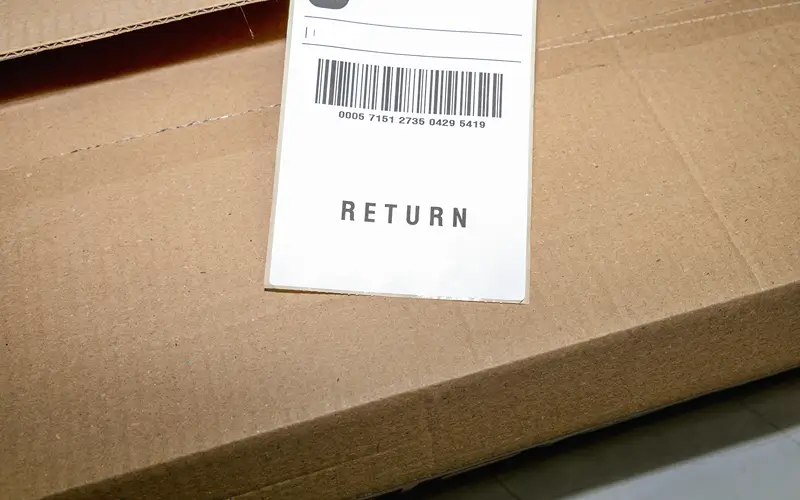
  • Quick processing – The faster you handle returns, the sooner stock can be back online and resold.
  • Clear policies – Easy-to-understand return policies reduce customer frustration and minimise unnecessary disputes.
  • Automated inventory updates – Ensure returned items are quickly checked and added back into inventory.
  • Customer communication – Keep customers informed at every stage of the return process to maintain trust.

By streamlining returns, you can transform what is often seen as a negative experience into a neutral or even positive one.

Professional Ecommerce Fulfilment Services

Reducing returns starts with prevention, but having the right fulfilment partner ensures returns are handled efficiently when they do occur. A professional ecommerce fulfilment or complete 3PL logistics service can help with everything from picking and packing to safe shipping and returns management.

At NGL, our expert team ensures products are prepared, packed, and shipped correctly, minimising delays and damage. For tailored order handling, our pick and pack service ensures your items are packaged with care, reducing return risks even further.
What is pick and pack?

What Is Pick and Pack? A Guide to Pick and Pack Services

Picking and packing services are a core part of any ecommerce fulfilment strategy. They ensure customer orders are processed accurately, packed securely, and dispatched quickly.

As your business scales, managing fulfilment in-house can become increasingly time-consuming and complex. Choosing to outsource your pick and pack operations can improve customer satisfaction, speed up dispatch times, and free up time to focus on other areas of your business.

In this guide, we’ll explain how pick and pack works, what the service typically includes, and how choosing the right fulfilment partner can enhance efficiency and increase customer satisfaction.

What does pick and pack mean?

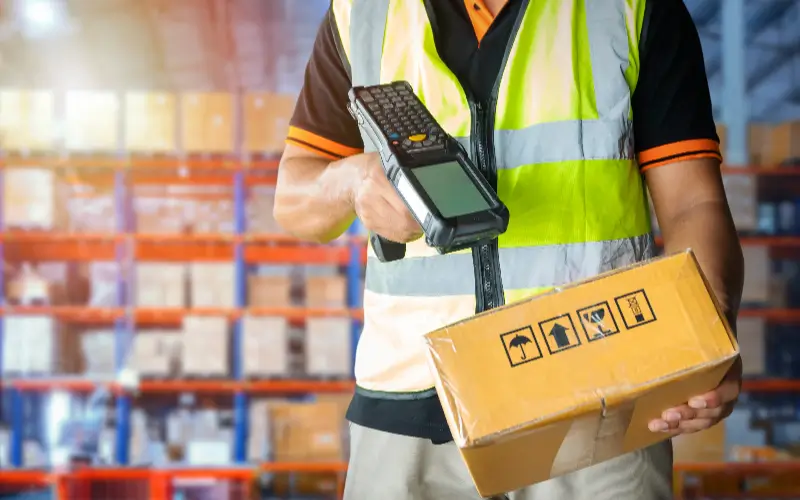
Pick and pack refers to the warehouse-level process of fulfilling a customer order.

  • “Picking” involves locating and retrieving the ordered items from their storage location, typically within a warehouse.
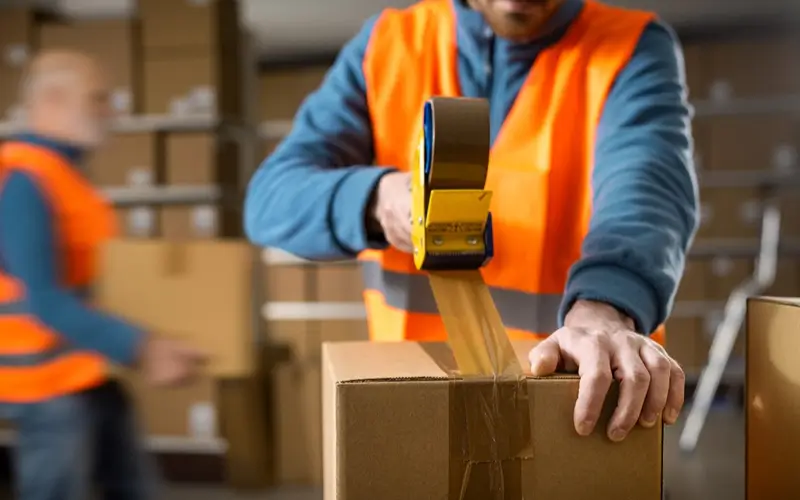
  • “Packing” is the next step, preparing those items for shipment, ensuring they are securely packaged and ready for dispatch.

What is the process of picking and packing?

The pick and pack process can be broken down into four key stages:

  • Receiving stock – The process begins when your inventory arrives at the warehouse. Items are checked, logged into the system, and stored securely. At NGL, stock is stored in CCTV-monitored facilities using organised shelving and pallet racking to minimise the risk of damage.
  • Picking – When a customer places an order, the details are automatically transmitted to the fulfilment provider. Warehouse staff then locate the required items and prepare them for packing. At NGL, we integrate with leading ecommerce platforms including Shopify, Amazon, eBay, and WooCommerce, removing the need for manual order processing.
  • Packing – Once the correct items have been picked, they are carefully packed and labelled for shipment. At NGL, we offer a range of different packing options, including specialised packaging for different sectors.
  • Shipping – When combined with a complete ecommerce fulfilment service, orders are sent directly to your customers. NGL works with trusted courier networks to ensure timely delivery, with full tracking available for both you and your customers.

How does a picking and packing service benefit your business?

A professional pick and pack warehouse service provides a range of benefits to both growing and established businesses:

  • Saves time – Outsourcing fulfilment removes the need to receive stock, process orders, pack, and arrange shipping, saving you time.
  • Reduces costs – Avoid the overheads of warehouse rent, staffing, equipment, and courier contracts. Fulfilment providers offer scalable solutions without large upfront costs.
  • Professional service – Experienced warehouse teams and proven systems improve order accuracy, reduce errors, and ensure faster dispatch.
  • No need for storage space – Eliminate the need to invest in warehouse premises, shelving, or packing areas as your order volumes increase.
  • Secure storage – Inventory is stored in organised, monitored facilities, helping to protect your stock and maintain accurate stock control.

How much do picking and packing services cost?

The cost of picking and packing fulfilment services depends on several factors including the volume of orders you anticipate, the size of your product, packaging requirements, level of service, and any extras you need, such as priority shipping.

At NGL Fulfilment, we work with businesses of all sizes to help them outsource their picking and packing. To get a free quote, contact one of our team today.

Why choose NGL Fulfilment for your picking and packing?

NGL Fulfilment provides reliable, scalable pick and pack services designed to support your growth, whether you’re a start-up or an established brand.

As part of the Nissin Group, we combine local Swindon-based services with international logistics strength and offer a complete, nationwide order management service, from receipt to delivery.

With our free customer portal, you’ll always have live visibility of stock levels, order progress, and delivery performance – giving you complete control and visibility.

Complete ecommerce fulfilment services

Combining pick and pack with a complete ecommerce fulfilment service means your entire order process is managed for you, from storage and dispatch to shipping, tracking, and returns.

With multiple courier and freight partners, full order visibility, and efficient returns handling, you can deliver a seamless customer experience while keeping operations simple.

UK pick and pack services from NGL Fulfilment

Speak to the team at NGL Fulfilment today and discover how we can support your ecommerce growth with professional picking and packing services.

Black Friday - Key ecommerce dates for 2026

UK Ecommerce Calendar 2026 – Key Dates for Online Shops

If you want 2026 to be a strong year for ecommerce business growth, preparation is everything.

From Valentine’s Day through to Black Friday and Boxing Day, the most successful online retailers plan campaigns, stock levels, and fulfilment strategies well in advance.

Below is a detailed month by month calendar of confirmed UK retail and ecommerce dates for 2026, with ideas to help you plan effectively.

January 2026

1st January – New Year’s Day

Launch fresh start promotions focused on health, organisation, fitness, beauty, and lifestyle. Customers are setting goals and resetting routines after Christmas.

2nd January onwards – January Sales

Post-Christmas clearance continues throughout the month. This is also leading into peak returns season, so efficient returns handling and reprocessing is essential.

6th January – Schools Go Back

Varies by region, online stores can expect an uplift in demand for stationery, uniforms and other school essentials.

February 2026

14th February  â€“ Valentine’s Day

Promote gift bundles, limited editions, and subscription products. Begin campaigns in late January and communicate delivery cut off dates clearly.

17th February – Chinese New Year

Chinese New Year is an annual holiday that is observed across many countries in Asia. Online stores can use this holiday to launch special offers and should also anticipate longer lead times if they source stock from countries that celebrate the holiday.

March 2026

15th March – Mother’s Day

One of the biggest UK gifting events. Promote curated gift guides, personalised products, and bundle offers. Encourage early ordering to avoid last minute delivery pressure.

17th March – St Patrick’s Day

Use themed promotions and social campaigns to drive short term seasonal sales. Apparel, novelty gifts and food and drink are particularly popular over this holiday.

Good Friday (27th March), Easter Sunday (29th March) and Easter Monday (30th March)

Easter creates a strong seasonal sales opportunity for food, gifting, homeware, children’s products and more. Plan stock intake early to avoid supply chain bottlenecks.

Mothers Day gifting and ecommerce ideas

April 2026

23rd April – St George’s Day

A smaller opportunity, but useful for regional promotions or themed product collections.

Spring Launches

Spring product launches often take place in April, especially in fashion and homeware. Ensure pick and pack processes are ready for new SKU launches.

May 2026

Early May Bank Holiday (4th May) and Spring Bank Holiday (25th May)

Bank holiday weekends often increase browsing and conversion rates. Consider flash sales, limited time offers, or outdoor and home focused campaigns. Be mindful that courier networks operate differently over bank holidays, so delivery times may be longer.

June 2026

11th June – Football World Cup

The 2026 FIFA World Cups kicks off with the opening match between Mexico and South Africa on June 11. Football fans across the UK will engage with football content during this period, creating opportunities for themed products, special offers, and apparel promotions.

21st June – Father’s Day (UK)

Another key gifting date relevant for gifts, tech, tools, grooming, fashion and more. Promote product bundles and highlight express delivery options for late shoppers.

June also marks the start of summer campaigns across travel, festivals, and outdoor living.

World cup ecommerce promotion ideas

July 2026

Summer Sale Period

Mid season sales and stock clearance are common in July. This can drive high order volumes, particularly for discounted items.

Marketplace sellers may also experience volume spikes during promotional events such as Prime Day if confirmed.

August 2026

31st August Summer Bank Holiday (England and Wales)

The final long weekend of summer is ideal for late summer promotions and early back to school campaigns. Back to school purchasing continues through late August into September, particularly for clothing, accessories, and stationery.

September 2026

September – Back to School Peak

Demand continues into early September as families complete last minute purchases. September is also a strong month for autumn product launches and new collections.

Back to school ecommerce promotion ideas

October 2026

31st October – Halloween

Halloween continues to grow as an ecommerce event in the UK. Launch themed collections and promotions early in the month to maximise demand.

November 2026

5th November – Bonfire Night

A smaller opportunity but useful for themed promotions of items such as food and drink, fireworks, winter accessories and outdoor products.

27th November – Black Friday

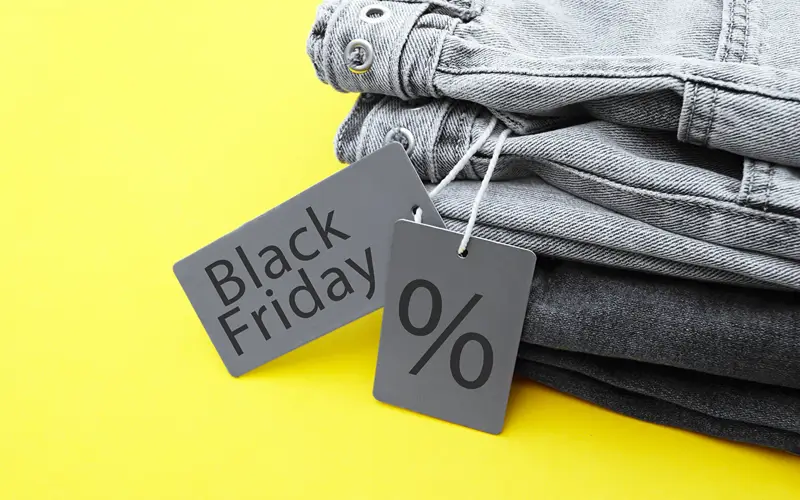
The biggest ecommerce sales event of the year. Stock should be in your fulfilment centre well in advance. Plan staffing, packaging, and courier capacity carefully.

30th November – Cyber Monday

Another key date in the ecommerce calendar, with a special interest on tech and electronics. Focus on digital campaigns and extended online only deals.

30th November – St Andrew’s Day

 Scotland’s official national provides a regional promotional opportunity.

December 2026

1st to 23rd December – Christmas Shopping Peak

The first three weeks of December are critical for ecommerce. Promote delivery cut off dates clearly and offer tracked shipping to build trust.

19th December – Final Saturday Before Christmas

The last Saturday before Christmas. Expect a spike in express orders.

25th December – Christmas Day

Browsing increases, particularly for gift cards, self-gifting and some early returns and exchanges.

26th December – Boxing Day

One of the largest UK online shopping days of the year. Clearance and end of season sales begin immediately.

Ready to scale in 2026?

Each of these dates represents more than just a marketing opportunity. They affect stock levels, warehouse capacity, pick accuracy, dispatch speed, and returns volume.

NGL Fulfilment supports growing ecommerce brands with scalable storage, pick and pack, kitting, labelling, subscription fulfilment, and returns management – offering a complete ecommerce fulfilment solution for your business.

Speak to our team today to build a fulfilment plan that supports every key sales moment in 2026.

Pick and pack services from NGL fulfilment

10 Things to Consider When Setting up an Ecommerce Business

Launching an ecommerce business is an exciting step, whether you’re selling handmade products, sourcing best-sellers from suppliers, or expanding an existing retail brand.

But with so much competition online, success isn’t just about having a great product. It’s about building a business that can operate smoothly, scale sustainably, and meet customer expectations consistently.

Here are 10 key things to consider when starting an ecommerce business, with a special focus on fulfilment, logistics, and pick and pack processes, core elements that determine how well your business performs once the sales start rolling in.

1. Choosing the right ecommerce platform

Your platform decides how your store runs day to day. Shopify, WooCommerce, Amazon, Etsy, and Not On The High Street all offer different levels of flexibility, tools, and fees. Think about:

  • How easily it integrates with fulfilment partners
  • Whether it supports the features your business needs
  • Long-term costs as you grow

At NGL Fulfilment, our facilities integrate with all major UK ecommerce platforms to give you real-time visibility over your orders and stock.

2. Understanding ecommerce fulfilment

Many new business owners underestimate how much time fulfilment takes once orders start increasing.

Ecommerce fulfilment is the entire end-to-end process of managing an online order, from the moment a customer buys an item to the moment it arrives at their door. It includes:

  • Receiving inventory
  • Storing stock
  • Processing online orders
  • Picking and packing
  • Shipping and delivery
  • Handling returns

Think of it as the overall customer journey for each order.

A reliable fulfilment partner ensures that each stage runs smoothly, allowing you to focus on marketing, growth, and customer experience.

3. Knowing the difference between pick & pack and fulfilment

These two terms are often used together, but they aren’t the same.

Pick and pack is the warehouse-level process within the wider fulfilment journey. It involves:

  • Picking: locating and retrieving items from storage
  • Packing: securely boxing products, adding paperwork, and preparing the parcel for shipment

If ecommerce fulfilment is the whole journey, pick and pack is the operational stage that makes accurate order dispatch possible.

Understanding the difference helps you choose the right level of support for your business.

For more information, take a look at our detailed guide on picking and packing.

4. Planning your stock storage

Whether you start small or launch with a large product line, you’ll need space to store your stock safely and organise it effectively.

Our secure, CCTV-monitored fulfilment centre offers short-term storage, long-term capacity, and full fulfilment base solutions for businesses across the UK.

5. Preparing for scalability

As your brand grows, your fulfilment needs will change. A scalable setup lets you:

  • Increase stock without moving premises
  • Ship higher volumes without delays
  • Add new product lines easily

Our fulfilment facilities are designed to grow with you, with flexible shelving, pallet racking, and dedicated pick and pack zones to support your next steps.

6. Choosing a reliable delivery network

Even if you do everything right inside your business, your delivery performance defines the final customer impression. Partner with a provider who:

  • Offers multiple courier and freight options
  • Provides full parcel tracking
  • Delivers consistently on time

NGL works with trusted UK and international delivery partners to ensure every order arrives quickly and reliably.

7. Inventory and stock management

Tracking inventory across multiple channels can become overwhelming. A good Warehouse Management System (WMS) helps you:

  • Track stock in real time
  • Use barcoding and FIFO controls
  • Reduce errors
  • Forecast demand

Our free customer portal gives you live visibility of stock levels, order status, and delivery performance, helping your business run smoothly.

8. Integrating your online store with your fulfilment partner

Automation is key. When your store integrates with your fulfilment provider, every order flows directly into the warehouse, eliminating manual input and preventing errors.

At NGL Fulfilment, we integrate seamlessly with Shopify, Amazon, eBay, Etsy, WooCommerce, and NOTHS, so you spend less time managing orders and more time growing your brand.

9. Considering returns management

Returns are an inevitable part of ecommerce. Having a clear, efficient returns process keeps customers happy and your stock accurate.
A fulfilment partner can help by inspecting returns, updating stock records, and preparing items to be resold where appropriate.

10. Deciding whether to outsource fulfilment

When you’re just starting, packing boxes in your home or garage might be manageable. But as orders increase, fulfilment can quickly take over your day. Outsourcing gives you:

  • More time to focus on customers and growth
  • Professional packing and shipping
  • Space back in your home or office
  • Peace of mind knowing orders are handled accurately and on time

At NGL Fulfilment, we specialise in scalable pick and pack services and full ecommerce fulfilment for UK businesses of every size, from startup sellers to established retailers.

6 Actionable Tips for Growing Your Ecommerce Business

Growing a modern ecommerce business is not just about great products. It requires smart operations, reliable fulfilment, strong customer experience, and consistent marketing.

At NGL Fulfilment, part of the Nissin network, we proudly support UK businesses of all sizes with flexible storage, pick and pack, and complete ecommerce fulfilment services.

Below are six practical, achievable ways to scale your business with confidence.

1. Strengthen your stock management

Smooth operations start with dependable stock control. Overselling frustrates customers, while excess inventory ties up cash.

Use real-time stock tracking, accurate forecasting, and regular replenishment to keep inventory levels healthy.

When your fulfilment partner provides live visibility, as we do through our free customer portal, it helps you make faster, better decisions.

2. Improve product listing & customer service

Clear information drives conversions. Focus on concise descriptions, accurate specifications, fast loading images, and an honest returns policy.

Combined, these build trust and reduce customer service queries. A positive experience is one of the easiest ways to boost repeat sales.

3. Streamline fulfilment

Fast, reliable delivery is one of the biggest factors in customer satisfaction.
A professional fulfilment partner can take care of storage, picking, packing, labelling, and dispatch, so you can focus on growth.

At NGL Fulfilment, we operate secure, well organised facilities with dedicated pick and pack areas, giving your orders accuracy and speed from the moment they arrive.

4. Offer flexible delivery & returns

Customers value choice. Whether it is next day delivery, economy options, or international shipping, having multiple delivery services increases conversions.

A smooth returns process also encourages first-time buyers to trust your brand.

5. Use your data

Analytics can reveal which channels drive sales, where customers drop off, and what products perform best.

Use this information to adjust your paid ads, email campaigns, and social content. Even small improvements can make a significant difference to your return on investment.

6. Build relationships with customers

Growth is not just about new buyers. Engage with your existing customers through email updates, helpful content, loyalty incentives, or personalised offers.

When customers feel valued, they buy again and often recommend you to others.

Supporting your business at every stage

Whether you are an established retailer or a growing start-up, a reliable fulfilment partner can help you scale with confidence.

NGL Fulfilment, offers secure storage, accurate pick and pack services, efficient ecommerce fulfilment, and transparent reporting.

If you would like support with your fulfilment operations, we are here to help.